







Weight-loss medications have transformed the conversation around obesity in just a few years. What began with injectable medicines is now entering a new phase, with pill versions now expected to make treatment more accessible than ever before.
For many people living with obesity, this is great news. These medicines are a major advance in metabolic health, helping people to lose meaningful amounts of weight while improving blood sugar control and reducing the risk of obesity-related health conditions.
But while these medicines change how much we eat, they don't change what our bodies need. In fact, paying attention to nutrition becomes even more important than ever.
How GLP-1 reduces ‘food noise’
GLP-1, short for glucagon-like peptide-1, is a hormone the body naturally releases after eating. One of its jobs is to signal feelings of fullness when you've had enough food, while also helping regulate blood sugar and slowing the rate at which food leaves the stomach.
Weight-loss medicines work by enhancing this natural signal. Instead of lasting for just a few minutes after a meal, the signal continues for much longer, helping people feel fuller for longer so that they naturally eat less. Studies show that these drugs can reduce calorie intake by 16-39%, making them a powerful tool to help people lose weight.
The impact on nutrition
These medicines reduce appetite, but of course they don't reduce your body's nutritional requirements. Vitamins, minerals, protein, healthy fats and fibre remain just as important as they were before.
But eating less means there's less opportunity to consume those nutrients. More research is needed, but the evidence so far suggests that up to 40% of the total weight lost during treatment can be lean body mass such as muscle, rather than fat. In one study, more than one in five people were diagnosed with nutritional deficiencies within a year of starting treatment, with vitamin D the most common. (Spreckley, M. et al, Obesity Reviews, 2026)
The huge rise in the use of weight-loss drugs hasn’t been matched by a rise in guidance for the people taking them about how to take care of their daily nutrition.
What our research found
Last year, FutureYou Cambridge commissioned a nationwide survey of more than 2,000 UK adults to understand how weight-loss drugs are affecting people’s attitudes towards weight management. Three findings stood out:
56% of people said they find it hard to know who or what to trust when it comes to weight loss and nutrition.
43% said they feel more pressure to lose weight than they did two years ago.
28% said they’d prefer a more natural approach to weight support.
As weight-loss medicines become increasingly common, it's perhaps no surprise that many people are now looking for evidence-based advice that goes beyond just eating less – and better guidance on nutrition.
Five foundations that will always matter
Whether you're taking a weight-loss medicine or simply trying to improve your health, these nutritional foundations will always remain the same.
Prioritise protein
As the research shows, rapid weight loss doesn't just reduce body fat. It can also lead to a major loss of muscle, particularly in older adults. (Spreckley, M. et al, Obesity Reviews, 2026)
Protein plays an essential role in maintaining muscle and helping you feel fuller for longer. Including a good source of protein with each meal can help protect lean muscle while supporting overall health.
Muscle means more to our health than just everyday strength. It helps regulate blood sugar, supports metabolic health, protects joints, improves mobility and supports balance and coordination, especially as we get older.
Public Health England recommends eating 0.75g of protein per kilogram of your bodyweight a day, but some experts say this should be even higher, especially as we get older, at 1-1.2g per kilo.
Don't overlook the power of fibre
Fibre supports digestive health, naturally helps promote feelings of fullness and nourishes the beneficial bacteria that live in your gut. It also helps prevent the rapid blood sugar spikes and crashes that cause fatigue by slowing down the digestion and absorption of carbohydrates.
The latest National Diet and Nutrition Survey (NDNS) shows that 90 per cent of UK adults are only getting about 20g of fibre a day, on average, well below the recommended target of 30g of fibre a day, making it one of the simplest dietary improvements many of us can make.
Fibre often gets overlooked but there’s such a variety of delicious sources: Vegetables, fruits, legumes, nuts, seeds, and whole grains are all good sources of fibre. Legumes like lentils, chickpeas, and beans are excellent fibre sources that also provide protein and slow-release carbohydrates.
Plenty of fibre not only supports a healthy appetite and weight management but will help your gut microbiome thrive – but don’t bother with ‘fibremaxxing’.
Focus on nutrient density to make every bite count
If you're eating smaller portions, every meal needs to work harder to meet your daily nutritional needs. Choosing "nutrient-dense" foods rich in vitamins, minerals and healthy fats gives your body the tools it needs to keep your immune system strong, your energy levels up, and your metabolism running smoothly, even on a lower calorie intake.
Upgrade your nutrition by swapping foods that only offer "empty" calories (like sugar or white flour) with:
Colourful vegetables and fruit: Bright colours mean they’re loaded with antioxidants and vitamin C to protect your cells, with fibre to keep you feeling full.
Oily fish: Salmon, mackerel, and sardines provide DHA and EPA omega-3 healthy fats, essential for heart, brain and eye health.
Pulses and wholegrains: Oats, brown rice, lentils, and chickpeas provide a slow, steady release of energy and are packed with B-vitamins to fight fatigue.
Nuts and seeds: A small handful of almonds, walnuts, or pumpkin seeds delivers essential minerals like magnesium and zinc to support your immune system, with Chia seeds, walnuts and flaxseeds for ALA, a plant-based omega 3.
Keep moving
Exercise isn't simply about burning calories. Even modest amounts of activity can make a meaningful difference when combined with a balanced diet.
You don't need to spend hours in the gym to support your health. A brisk daily walk, gardening, taking the stairs or carrying the shopping all count towards keeping your body active, helping to preserve muscle, support bone health and long-term metabolic wellbeing.
If you can, include some form of strength or resistance exercise two or three times a week. This could be simple bodyweight exercises, resistance bands or lifting weights. Maintaining muscle becomes increasingly important as we age, helping to support strength, balance, bone health and healthy metabolism.
Think long-term
After coming off a weight-loss drug, the body’s natural appetite signals begin to return. Current evidence suggests that many people regain much of the weight they lost within a year of stopping treatment. (West S, et al, BMJ, 2026)
Weight-loss medicines may be part of the journey, but lasting health is built through shifting to sustainable habits.
Good nutrition, regular movement, quality sleep and consistency remain the foundations of healthy ageing, regardless of whether medication is involved.
Being well-fed starts with being well-informed
Weight-loss medicines confirm something scientists have understood for years: weight management is heavily influenced by biology, not just behaviour. That means they can be incredibly valuable for the right people, with a huge opportunity to improve long-term health outcomes.
But staying healthy will always need good nutrition – and that’s something we have to take care of ourselves. To avoid the risk of swapping one set of health problems for another, nutritional support and guidance needs to be offered along with weight-loss medications – because being well-fed starts with being well-informed.
Dr Miriam Ferrer, PhD, is Head of Product Development at FutureYou Cambridge.
Nutritional support

Metabolic Thrive+ reduces appetite naturally with MetabolAid®, a clinically researched blend of hibiscus flower and lemon verbena leaf. In a 12-week study, participants lost 3-4% of their body weight on average, reducing abdominal fat while preserving muscle mass.
See how it works
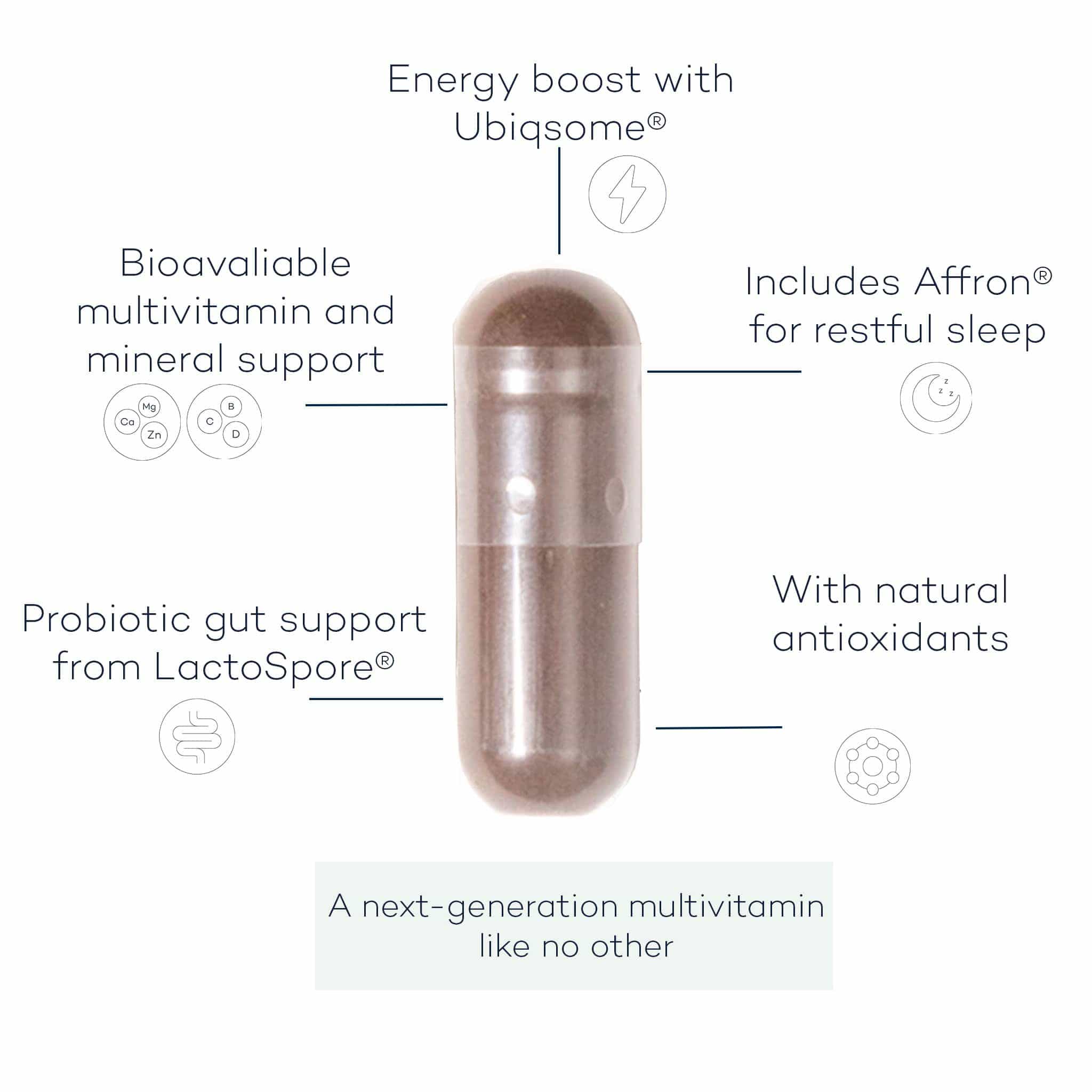
Advanced Multi+ provides a comprehensive blend of 23 high-quality vitamins, minerals and nutrients chosen for optimal absorption to support daily nutrition – with clinically researched ingredients to support the gut microbiome, restful sleep, cellular energy and more.
See how it works





Leave a comment
All comments are moderated before being published.
This site is protected by hCaptcha and the hCaptcha Privacy Policy and Terms of Service apply.