




Read Time: 5 mins | Written by: FutureYou Health Team | Reviewed by: Dr Miriam Ferrer, Head of Product Development | How we research and check our articles
It's not something most men spend much time thinking about. But as we get older, the prostate can start to make its presence felt, often through changes to our bathroom habits.
Perhaps you're getting up more often during the night, finding it harder to get started, or noticing that your bladder doesn't seem to empty completely.
These changes are common, especially after 50. So what's happening, when should you be concerned, and what can you do to look after your prostate health?
What happens to the prostate as we age?
The prostate is a small gland, roughly the size of a walnut, that sits just below the bladder. Its main job is to produce some of the fluid that makes up semen.
As men get older, the prostate often gets bigger. This is known as benign prostatic enlargement (BPE) or benign prostatic hyperplasia (BPH).
Because the prostate surrounds the tube that carries urine out of the bladder, an enlarged prostate can put pressure on this tube and make urination more difficult.
BPE is a very common part of ageing: it affects about 50% of men in their 50s and up to 90% of men in their 80s.1 It's not usually serious, although the symptoms can be frustrating and sometimes require treatment.
Importantly, an enlarged prostate is not cancer, and having one doesn't increase your risk of developing prostate cancer.
What are the signs of prostate problems?
Common symptoms include needing to urinate more frequently, particularly during the night, having a weaker flow of urine, difficulty getting started and feeling that your bladder hasn't emptied completely.
These changes don't necessarily mean there's anything seriously wrong, but they often cause discomfort due to the break in sleep and uncomfortable feeling of an unemptied bladder. Urinary symptoms can have several causes, including prostate enlargement, inflammation of the prostate (prostatitis) and, less commonly, prostate cancer.
Prostate cancer is the most common cancer in UK men. Cancer Research UK estimates that overall, around one in six men will develop it during their lifetime.
Age is one of the biggest risk factors, with prostate cancer most commonly diagnosed in UK men aged 75 to 79. Family history and ethnicity also play a role. Black men have a particularly high risk, with Prostate Cancer UK estimating that one in four will develop the disease.
Prostate cancer often causes no noticeable symptoms in its early stages. This makes awareness of your personal risk especially important.
If you notice changes to your urinary habits, speak to your GP. Blood in your urine, pain when urinating or being unable to urinate require urgent medical advice.
What can you do to look after your prostate health?
Although we can't prevent all the changes that come with ageing, some everyday habits may help manage urinary symptoms and support general health.
Maintaining a healthy weight is a good starting point, as excess weight tends to make symptoms of prostate enlargement worse.
It may also help to cut down on caffeine and alcohol, particularly if you find yourself visiting the bathroom frequently. Both can increase urine production and irritate the bladder.
Try drinking less fluid shortly before bedtime, while continuing to drink enough throughout the day. Eating plenty of fibre can also help prevent constipation, which can put additional pressure on the bladder.
These are practical measures recommended by the NHS, although persistent symptoms may need medical treatment.
Lycopene and prostate health: what does the research say?
One nutrient that has attracted considerable scientific interest in prostate health is lycopene, the natural red pigment found in tomatoes, watermelon and other fruits.
Lycopene belongs to a family of plant compounds called carotenoids and has antioxidant properties. Scientists have been investigating whether it might play a role in prostate health, with some intriguing findings.
In a small pilot trial published in 2008, researchers followed 40 men with benign prostate enlargement.2 Half took 15mg of lycopene daily and half took a placebo.
After six months, the prostates of men in the placebo group had grown, while those of men taking lycopene had not. The lycopene group also saw a fall in PSA, a marker of prostate health, and a greater improvement in symptoms. These are encouraging results, but they haven’t yet been confirmed by larger trials.
Researchers have also looked at whether lycopene consumption is associated with a lower risk of prostate cancer.
A 2017 systematic review brought together 42 studies involving more than 692,000 participants. It found that people who consumed more lycopene had, on average, a 12% lower relative risk of developing prostate cancer than those who consumed less.3 However, this association wasn't seen when researchers looked specifically at more advanced cases of the disease.
It’s important to note that these findings show an association, not necessarily a cause and effect. People who eat more tomatoes may also have other dietary or lifestyle habits that influence their health. So, while the research is interesting, there still isn’t enough evidence to say unequivocally that taking lycopene supplements helps to prevent prostate cancer or treat prostate enlargement.
Looking after your prostate in the years ahead
Prostate health is an important part of men's wellbeing as we get older, but it needn't be a source of constant worry.
Staying aware of changes, maintaining healthy everyday habits, and seeking medical advice when something doesn't feel right are wise places to start.
Nutritional support

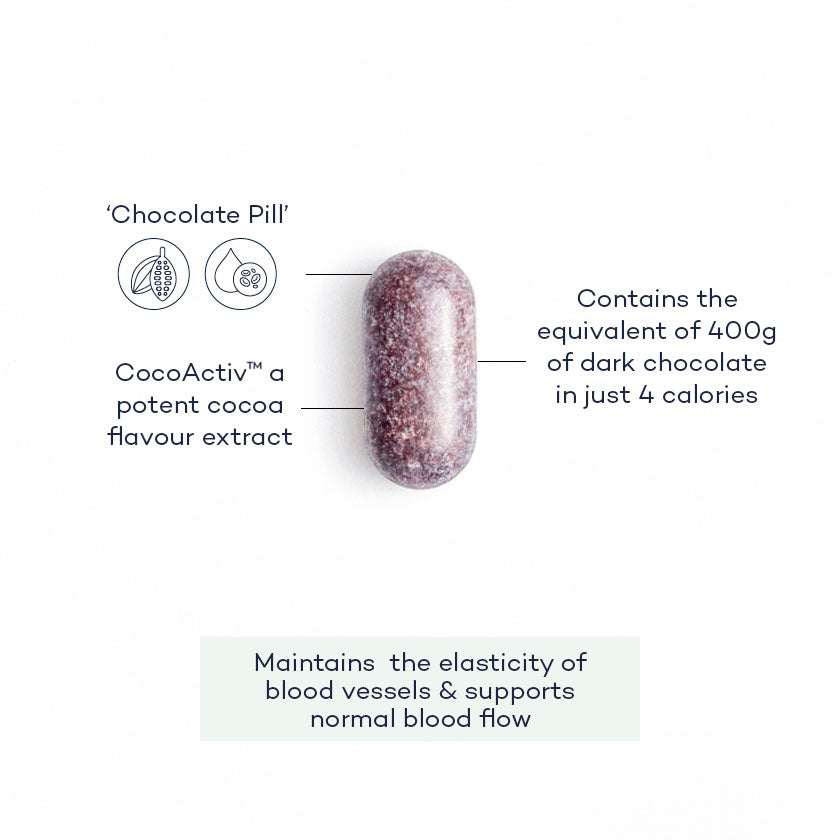
The original, award-winning ‘Tomato Pill’, Ateronon Heart+ supports heart health and normal blood vessel function with a highly bioavailable form of lycopene from tomatoes, backed by 20 years of research.
See how it worksReferences
- Prostate Matters, What is Benign Prostatic Hyperplasia?↩
- Schwarz S, Obermüller-Jevic UC, Hellmis E, et al. Lycopene inhibits disease progression in patients with benign prostate hyperplasia. J Nutr. 2008;138(1):49–53. ↩
- Rowles JL III, Ranard KM, Smith JW, et al. Increased dietary and circulating lycopene are associated with reduced prostate cancer risk: a systematic review and meta-analysis. Prostate Cancer Prostatic Dis. 2017;20:361–377. ↩
- NHS, Prostate enlargement
- Prosate Cancer UK, Enlarged prostate
Further reading
Cancer Research UK: Prostate cancer risks and causes
Prostate Cancer UK: Are you at risk?
Enjoy our health and nutrition articles? Add FutureYou Cambridge as a preferred source on Google to see more from us in your search results.





Leave a comment
All comments are moderated before being published.
This site is protected by hCaptcha and the hCaptcha Privacy Policy and Terms of Service apply.