







Sleep is a vital part of our lives. Every night, it helps take care of our health and wellbeing, both physical and mental.
We all know how a lack of sleep can cause us to feel grumpy or unfocused, but chronic sleep deprivation can lead to major effects on health, including risk of heart disease, obesity and diabetes, and even life expectancy.
Protecting your sleep is one of the most powerful things you can do to help support your health. Here are some top tips on how to improve it.
What causes a lack of sleep?

Almost 1 in 5 people in the UK aren’t getting enough sleep, according to Mental Health UK. There are many potential causes – the best place to start is identifying what could be impacting your sleep.
- Sleep disorders: Physical or neurological conditions that disrupt sleep, including sleep apnea (repeated pauses in breathing during sleep), narcolepsy, and restless legs syndrome.
- Medical conditions: Chronic conditions including cancer, heart disease, Parkinson's and Alzheimer’s, as well as mental health challenges like anxiety or depression. Sleep can also be disturbed by side-effects from medication.
- Nutrient deficiencies: A lack of key minerals in the diet including magnesium can cause tiredness, fatigue and trouble sleeping. A UK study of 8,000 individuals by testing company Health Check, found that around 70 per cent had low magnesium levels.
- Stress, lifestyle changes and other factors: People commonly experience sleep deprivation because of temporary disruptions like a stressful period at work, jet lag, a change in routine, or a new baby.
How a lack of sleep can impact your health
A healthy adult usually needs around 7 to 9 hours of sleep. A 2017 review1 published in the journal Nature and Science of Sleep found that the short-term effects of disrupted sleep can include “increased stress responsivity, somatic pain, reduced quality of life, emotional distress, mood disorders, and cognitive, memory and performance deficits.”
In the long-term, the effects can include: “hypertension, dyslipidemia [a metabolic disorder with unhealthy fat levels in the blood], cardiovascular disease, weight-related issues, metabolic syndrome, type 2 diabetes mellitus, and colorectal cancer.” Taking steps to improve sleep can even help manage these ailments.
A lack of sleep also impacts our immune resilience, making us more vulnerable to infections. Meanwhile, tiredness can also affect our reaction times, judgement, ability to concentrate, remember and think things through, and lead to increased irritability.
In busy periods of our lives, it can be tempting to voluntarily skip or put off our normal 7-9 hours of sleep a night, but it's worth weighing up the positive effects you'll be sacrificing. The NHS2 advises that taking care of your sleep will “boost immunity, boost mental wellbeing, prevent diabetes, increase sex drive, ward off heart disease, increase fertility,” and even help keep you slim.
Recognising the symptoms
The following symptoms are common signs of a lack of sleep3:
- Drowsiness
- Feeling clumsy
- Difficulty concentrating
- Finding it harder to remember things
- Feeling irritable, or low mood
- Diminished ability to fight off infections
- Reduced sex drive
- Increased appetite
Taking steps to improve your sleep

Go to bed at the same time every day: Doing this each day strengthens your internal clock. Anchor the body's natural circadian rhythm by minimising exposure to bright or screen light before you go to bed, and exposing yourself to daylight in the morning.
Don't eat too late: Eating late will warm up your body temperature, raise sugar levels, and divert the body's resources to dealing with digestion when it should be getting ready to rest and repair. Skip late-night snacks and caffeinated drinks.
Skip the alcohol: Alcohol suppresses REM sleep, which is an important part of your nightly sleep cycle, even if a drink will leave you feeling drowsy at first.
Keep your bedroom cool, dark and quiet: Your core body temperature needs to fall slightly for good sleep, so don't overheat your bedroom. Blackout curtains can also improve sleep quality.
Daily nutrition: A healthy diet also supports sleep. Magnesium supports muscle relaxation and nervous system balance. Foods rich in the amino acid tryptophan, such as dairy, turkey, nuts and seeds, provide the building blocks for serotonin and melatonin, both of which play a role in sleep. Balanced evening meals with protein, fibre and healthy fats, help keep sugar levels stable and reduce the risk of 3am wake-ups.
The Sleep Foundation4 also recommends looking into self-taught or assisted help techniques:

Relaxation Training: Deep breathing exercises, meditation and/or guided imagery can help you relax and get off to sleep. You could also consider a progressive muscle relaxation technique, in which tensing and relaxing different muscles in your body “helps to calm the body and induce sleep”.
Stimulus control: Train yourself to associate your bedroom with sleep and nothing else. For instance, sticking to the same rhythm of sleep times and wake times, going to bed only when you are sleepy and only getting out of bed after twenty minutes of being awake.
Cognitive behavioural therapy (CBT): With the help of a trained therapist, CBT can help restore healthier, more regular sleep by addressing the thoughts, feelings, and behaviours that are contributing to insomnia.
Pharmaceutical treatments: Over-the-counter sleeping aids may help. It’s a good idea to consult your doctor as some medications can leave you feeling drowsy or have other side-effects.
Natural remedies: if you want to stay away from chemical-based medications, there are some additional natural remedies available for you.
- Magnesium: The National Sleep Foundation states that “magnesium increases the neurotransmitter GABA in the brain, which is responsible for slowing your thinking down and helping you fall asleep.”
- Melatonin: A hormone naturally made in the pineal gland in the brain, melatonin plays a role in sleep. At night, your melatonin levels rise, before returning to normal during the day, helping to control how and when you sleep. Taking extra melatonin can encourage you to become sleepy before bedtime. It's always best to consult your doctor or pharmacist before taking, as it's not suitable for everyone.
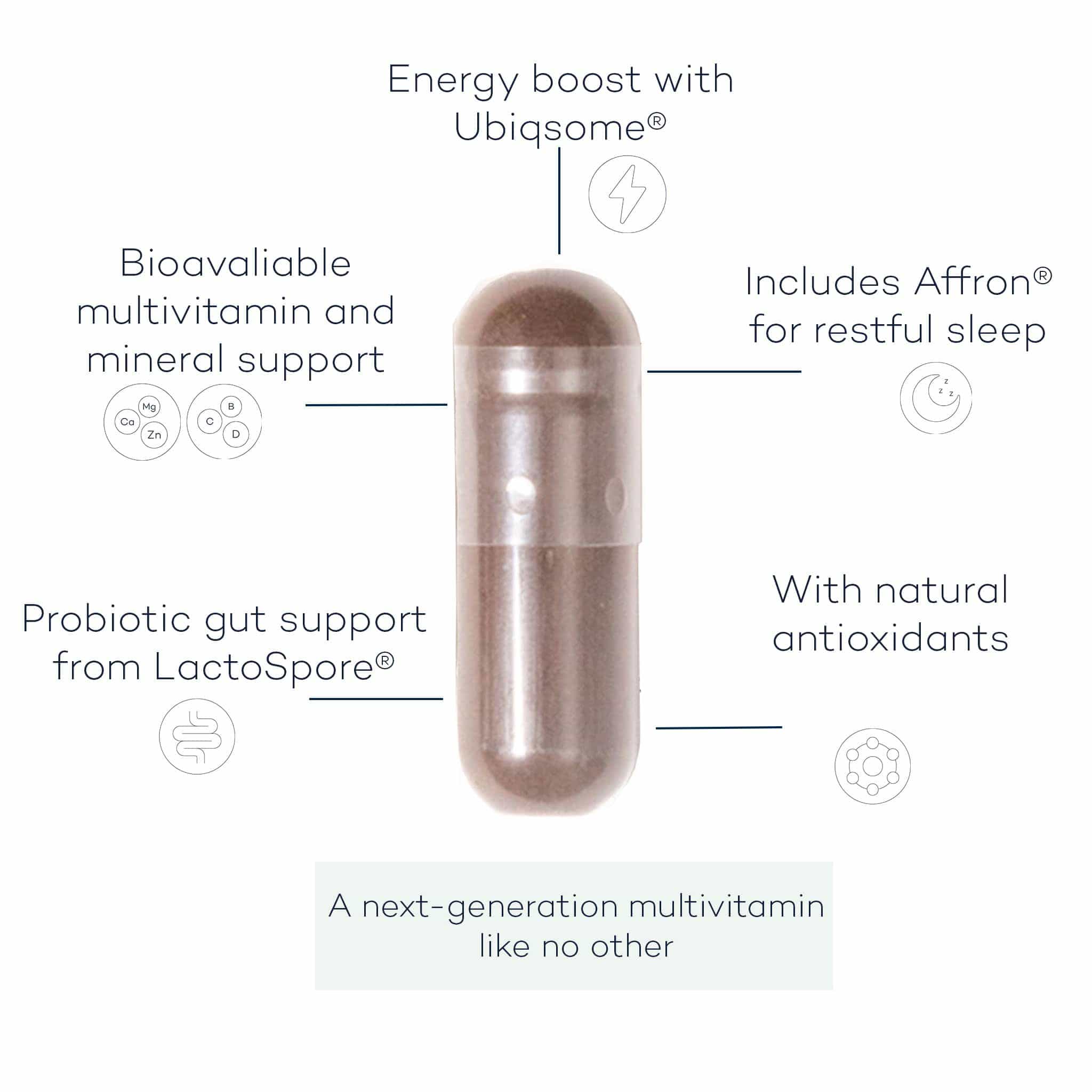
- Herbal remedies: Many herbs traditionally used to support sleep have been scientifically studied for their calming effects, and many are available in different forms, including teas and capsules, including: lavender, saffron, chamomile, lemon balm, valerian root and chamomile.
From blackout curtains to chamomile, there are so many ways you can try to improve your sleep. You may find that just one plays a crucial role in helping you get a good night's rest, but more often than not, it's fostering a good combination of lifestyle habits that will help you get those good Zs.
References
1. Short and long term health consequences of sleep disruption: Nat Sci Sleep. 2017; 9: 151–161. online 2017 May 19. 10.2147/NSS.S134864
2.NHS Sleep issues.
3. The Sleep Charity. Sleep Deprivation
4.The Sleep Foundation Treatments







Leave a comment
All comments are moderated before being published.
This site is protected by hCaptcha and the hCaptcha Privacy Policy and Terms of Service apply.