






Exam season can feel overwhelming, both for students and parents.
But as Gemma Pilcher knows from her experience as Assistant Head Teacher at Felixstowe School and Sixth Form in Suffolk, the biggest pressure often comes not from teachers or parents, but from young people themselves.
This year, Gemma has helped put in place extra support for her students to cope with exam stress and anxiety, including workshops and optional drop-in sessions with visiting mental health practitioners, and calming lunchtime activities like crafts and colouring, yoga sessions and supervised sports.
“I don’t think we would have had to do that two or three years ago, but now it's an ongoing package,” says Gemma. “Post-pandemic, I think the mental health of young people has definitely struggled. But there's also so much emphasis in news and social media on getting fours in maths and English that students can put inordinate pressure on themselves.”
Here are some calm, practical tips for coping with exam stress drawn from Gemma’s years of experience working closely with year 11 students.
Set realistic limits on revision time
One of the most common mistakes Gemma sees is students trying to do far too much.
“I’ve found it’s the most able students that are putting pressure on themselves, going home and doing an hour’s revision for each subject. Well, that’s nine hours – that’s completely unsustainable.”
Instead of endless cramming, Gemma recommends clear boundaries and revising “little and often”:
- Cap revision time in a realistic way – around 40 minutes a night is reasonable
- Focus on quality, not quantity
- Remember, more hours don’t always equal better results – instead, they can lead to burnout
Break revision into manageable pieces
“Do some maths” is vague and intimidating. “Spend 30 minutes on fractions” is focused and manageable, advises Gemma.
“Maths is a huge subject… it can feel massively overwhelming. If a student’s doing an hour of maths and you don’t specify what the topic is, they can sit there and look at everything they’ve ever learned in maths for five years and it will just overwhelm them.”
To keep things calm:
- Choose one specific topic per session (e.g. trigonometry, Pythagoras, or poetry for English) to reduce the sense of feeling swamped
- Use short, focused blocks with breaks
- Parents can help by gently asking what specific areas they’re revising: “What exactly are you working on – decimals, algebra, or something else?”
Keep a healthy, structured daily routine
When stress rises, many teenagers want to retreat to their rooms and “revise at home” instead of going into school. Gemma warns that this can backfire: “The routine and the structure of the school day is really beneficial in maintaining that equilibrium and keeping their balance… We all work better when we’re in a routine.”
Long periods of drifting out of routine – lounging around on your own, sleeping late, snacking all day, revising at random hours – can easily unsettle mood and increase anxiety.
Instead, try sticking to:
- Regular wake-up and bedtimes
- Attending school lessons and revision support sessions where possible
- Breaks, meals and rest at predictable times
Extra nutritional support

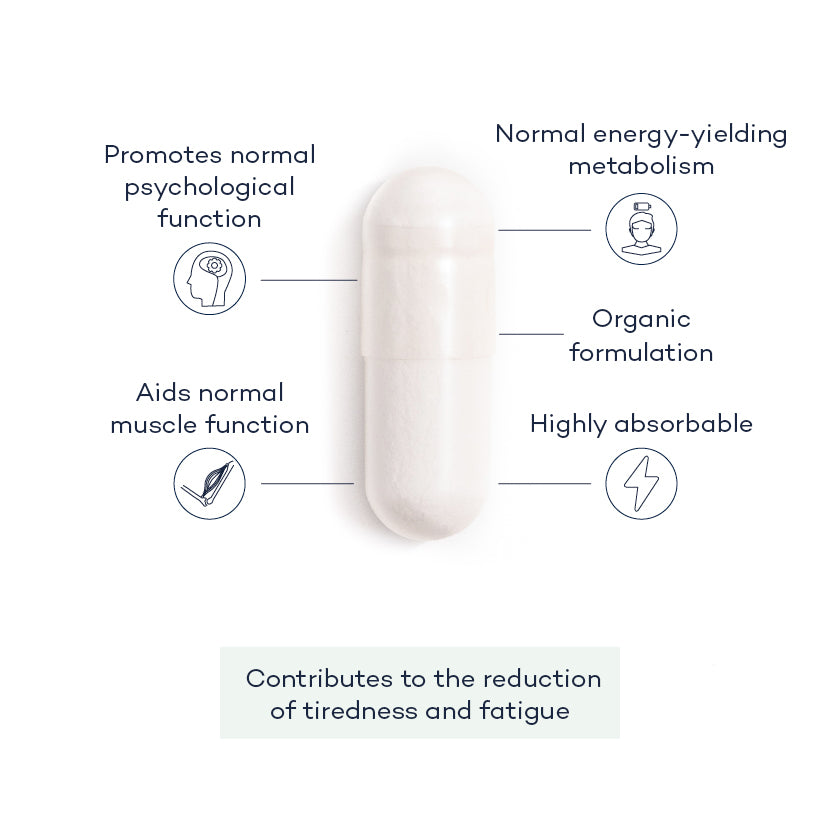
FocusZen+
FocusZen+ helps you stay calm and focused with a blend of lemon balm, saffron and other natural ingredients clinically shown to have positive effects lasting up to three hours.
See how it worksProtect your sleep, food and energy levels
It sounds basic, but sleep and nutrition are powerful tools against exam stress. Gemma’s school has even discussed offering breakfasts before exams and thought carefully about what students consume.
“If their normal breakfast is a can of Monster or some energy drink, they’re going to really struggle to sit still for two hours in an exam room writing,” warns Gemma.
Tired, overstimulated students are much more likely to feel overwhelmed. Simple, steady choices help keep things balanced.
- Smart breakfasts: go for slow-release energy foods like porridge, high-fibre toast, and bananas to keep you going
- Drinks: choose water over energy drinks
- Sleep: a firm cut-off for revision in the evening, with time to relax before bed, even the day before an exam
Notice the early signs of struggle
Not all stressed students “act out”; some suffer quietly, warns Gemma.
“It tends to be with the girls, and it’s really tricky when you’ve got lovely, quiet girls, and actually they’re struggling and you don’t know they’re struggling.”
Gemma and the team look for patterns: frequent lateness, repeated visits to the medical room, sudden changes in behaviour, or even physical symptoms linked to stress. Students with a history of trauma or mental health challenges who normally cope well may suddenly find them triggered and brought to the forefront by exam stress.
If you notice a pattern, start a gentle conversation and, if needed, let the school know. Gemma has found that contact from parents helps teachers spot issues early and build dialogue and support that can help, including arrangements like bespoke timetables.
Use simple grounding techniques
When anxiety spikes, Gemma encourages going back to basics: “I always say to them, just breathe.”
Simple techniques like box breathing – breathing in for four, holding, and breathing out for four and using your fingers to count – can help you calm down and feel less overwhelmed before or during an exam.
If available, online wellbeing resources and helplines such as Kooth, a free, anonymous digital mental health and wellbeing platform commissioned by the NHS for children and young people, can also offer advice and confidential support outside school.
Remember: Exams aren’t the whole story
Perhaps the most calming perspective Gemma offers is about the place of exams in the bigger picture.
“What’s the worst that can happen? This isn’t going to be the be all and end all, and the world isn’t going to stop turning. Just give a good account of yourself. As long as you come out feeling pleased about the effort you’ve put in, then that’s enough.”
GCSEs, A-levels and other exams do matter. Gemma calls them a kind of “currency” that can buy you choices in life. But they’re not a verdict on a young person’s worth or their future.
Just focusing on effort, balance and wellbeing – not perfection – is one of the best ways to stay calm, and often, to help you perform better too.
Extra nutritional support

Serene+
Serene+ helps alleviate stress and anxiety and supports restful sleep with a natural blend of clinically studied saffron, melon extract and lavender.
See how it works








Leave a comment
All comments are moderated before being published.
This site is protected by hCaptcha and the hCaptcha Privacy Policy and Terms of Service apply.