






Turmeric is a natural plant compound with anti-inflammatory properties that can help improve your dog's quality of life in several ways, from joint health to digestion.
Here's everything you need to know about turmeric for dogs, including the correct dosage – which depends on your dog's size – and rare potential side effects and medical interactions to watch out for.
- Is turmeric good for dogs?
- As an anti-inflammatory
- For joint conditions
- To support non-steroidal anti-inflammatory drugs (NSAIDs)
- As a digestive aid
- What are the side effects?
- Does turmeric interact with dog medications?
- What is the correct turmeric dosage for dogs?
Is turmeric good for dogs?
The simple answer is yes – turmeric is a natural compound with numerous positive benefits for dogs. It is an anti-inflammatory, and while it may not be appropriate for all dogs, those that do get on well with it may be able to reduce dependence on the Non-Steroidal Anti-Inflammatory Drugs (NSAIDs) that are often prescribed for conditions such as arthritis. Here are some of the ways turmeric can support your dog's health.
Turmeric as an anti-inflammatory
The anti-inflammatory effects of curcumin – the active ingredient in turmeric – are well established in human and animal studies.
- A study published in the international journal Veterinary immunology and immunopathology shows that curcumin could act as an alternative anti-inflammatory for dogs suffering from osteoarthritis (Colittia et al, 2012).
- A 2008 study of dietary curcumin in dogs with osteoarthritis found that it acted as an anti-inflammatory and antioxidant, and confirmed that it modulated immune response (Sgorlon et al, 2008).
- An Italian study conducted with horses (mares and foals) achieved the same result, finding that curcumin acted to suppress the cytokines that cause inflammation (Farinacci et al, 2009).
For joint conditions
Thanks to its anti-inflammatory effects, turmeric is often given to dogs with common joint conditions that are caused by inflammation. This includes arthritis in dogs, which affects thousands of pets in the UK and causes stiffness, discomfort and even pain.
Turmeric can work alongside non-steroidal anti-inflammatory drugs (NSAIDs)
Curcumin can provide a potential complement to conventional anti-inflammatory arthritis treatments.
Non-steroidal anti-inflammatory drugs (NSAIDs) such as Metacam and ibuprofen use a mechanism of action that also affects blood flow and clotting and affects the stomach.
Dogs are more vulnerable to the side effects of NSAIDs than humans; you should watch out for anything out of the ordinary. Older dogs and those on some other forms of medication are at greater risk. NSAIDs can cause liver and kidney problems, so you should work with your vet to find a solution if your dog has existing issues.
NSAIDs can also accelerate the destruction of joint cartilage, making arthritis worse in the long run.
These medications are a valuable treatment, but since they often have side effects it makes sense to complement them with other methods, as this may help you to reduce the amount your dog needs.
Natural treatments such as curcumin, gentle exercise and weight loss are therefore a good choice. You should discuss these options with your vet if you have any questions or concerns.
As a digestive aid
Curcumin can help your dog to break down food by stimulating the production of more bile in the liver. This aids in the digestion of fats, which are a major part of a healthy dog's diet, so your dog may feel more comfortable after eating.
Nutritional support

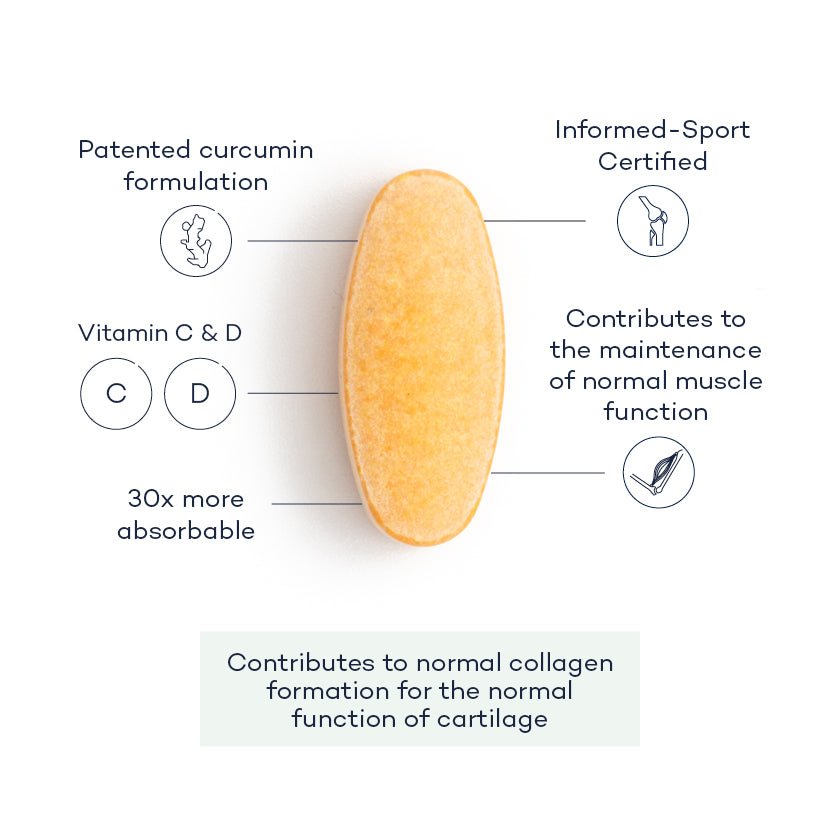
CurcuPet
CurcuPet supports joint health and mobility in dogs and cats with highly absorbable curcumin, helping them stay comfortable and active.
See how it worksWhat are the potential side effects?
There are potentially a few minor side effects that might make your dog uncomfortable. The good news is that these are rare and are usually the result of giving your dog too much turmeric. You should be careful to follow dosage instructions on your chosen turmeric supplement to reduce the chance of side effects.
Side effects may include:
- Stomach upsets or constipation, especially after taking too much at once. If your dog shows signs of this, you could try starting out with a lower dose and building up to the recommended amount.
- If your dog is prone to kidney stones, turmeric tablets may make this problem worse as it can increase urinary oxalate levels. This makes the formation of kidney stones more likely.
Does turmeric interact with dog medications?
There are possible interactions between turmeric and several different kinds of medication. If you have any concerns, you should speak to your veterinarian before trying turmeric. Turmeric paste, tablets or supplements might not be appropriate if:
- your dog is on a prescription to treat diabetes, as turmeric can act to lower blood sugar.
- your dog is about to undergo surgery. It is best to stop giving turmeric to your dog a month beforehand.
What is the correct turmeric dosage for dogs?

The best way to avoid potential side effects is to make sure your dog is receiving the appropriate dose. It might be a good idea to gradually build up the amount of turmeric you give your dog, as this will give their body time to adjust.
Every dog is different, so you should follow the dosage recommendations on your chosen turmeric supplement, based on your pet's size. If you are adding turmeric powder to food or using powder to create an edible paste for your dog, you could try using these quantities when starting out.
You should monitor your dog's reaction and decide whether to decrease the quantity. If you have any concerns, talk to your vet. You may also wish to increase the quantity over time if you feel that your dog would benefit.
For best results, give your dog a little every day to gradually build up the amount of curcumin in their system – there's no need to rush.
In a nutshell
Give your dog the right dose of turmeric – or of curcumin, the active ingredient – and you can be sure that this natural compound is safe.
You should not give your dog turmeric if he or she is on a prescription to treat diabetes, or is about to undergo surgery.
Most side effects only occur if you give your dog too much turmeric, so you might like to start with a small amount and gradually increase it to the proper dose.
If you are at all concerned, you should immediately stop giving your dog supplements and consider talking to your vet before continuing.
Enjoy our health and nutrition articles? Add FutureYou Cambridge as a preferred source on Google to see more from us in your search results.
Nutritional support
CurcuPet supports joint health and mobility in dogs and cats with highly absorbable curcumin, helping them stay comfortable and active.
See how it works








Leave a comment
All comments are moderated before being published.
This site is protected by hCaptcha and the hCaptcha Privacy Policy and Terms of Service apply.