





Fertility & Pregnancy Supplements
Planning for a baby makes what you eat and drink take on a dizzying new significance as the building blocks for a new little person. Many people explore natural fertility supplements, pregnancy supplements, or so-called fertility pills for extra support during this important time.
Our approach is simple: high-quality, science-led formulations designed to support your body’s nutritional foundations – before, during, and beyond pregnancy.
Filters
6 products
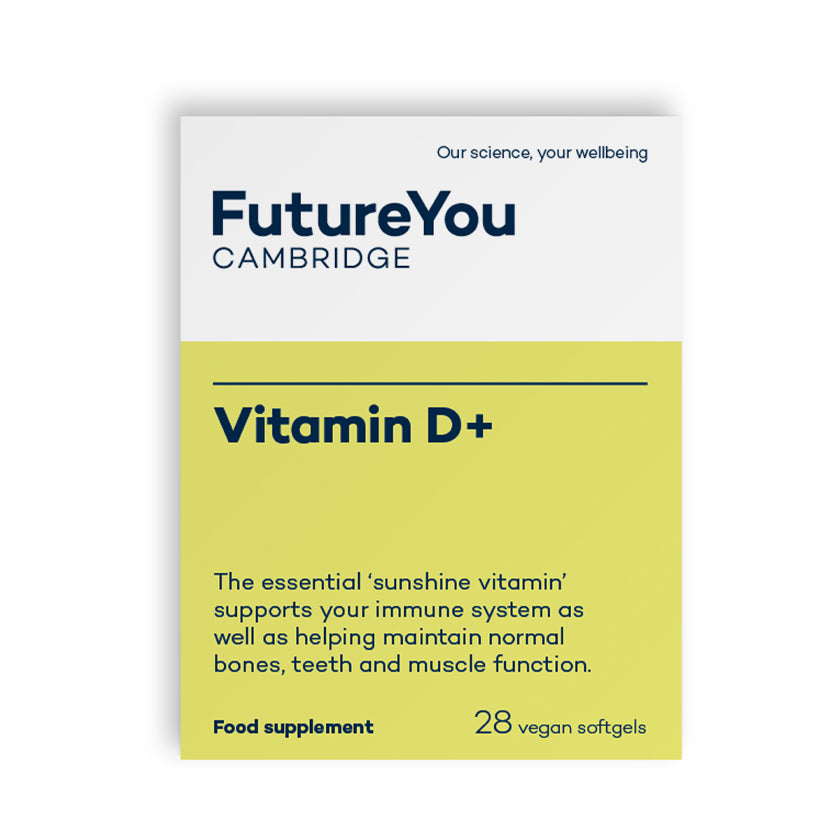
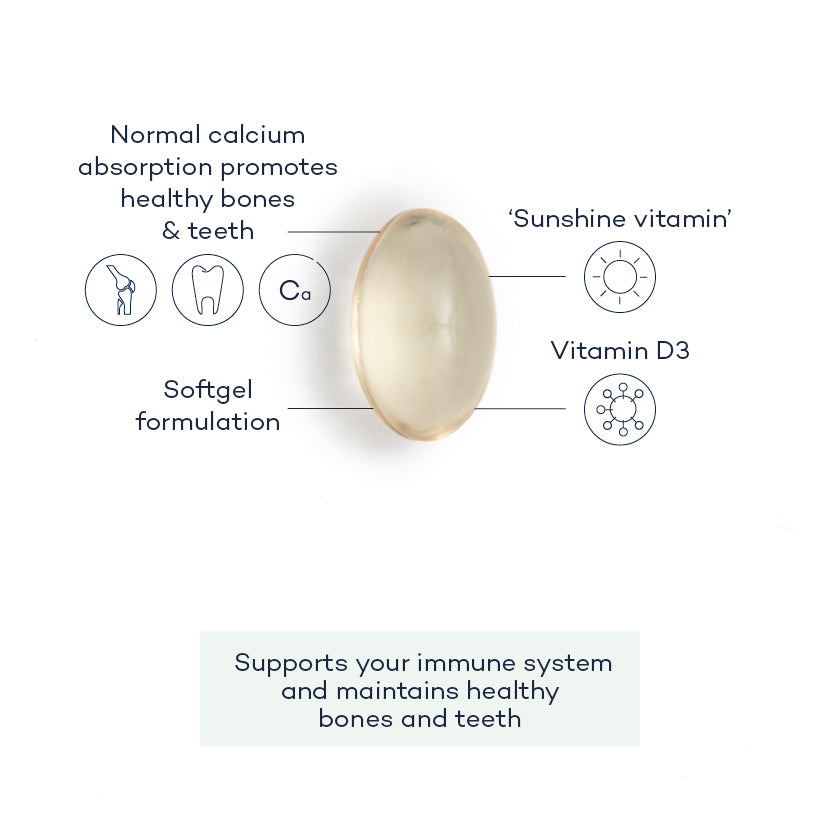
- Supports bones and teeth
- Supports the immune system
- Easy-to-take softgel

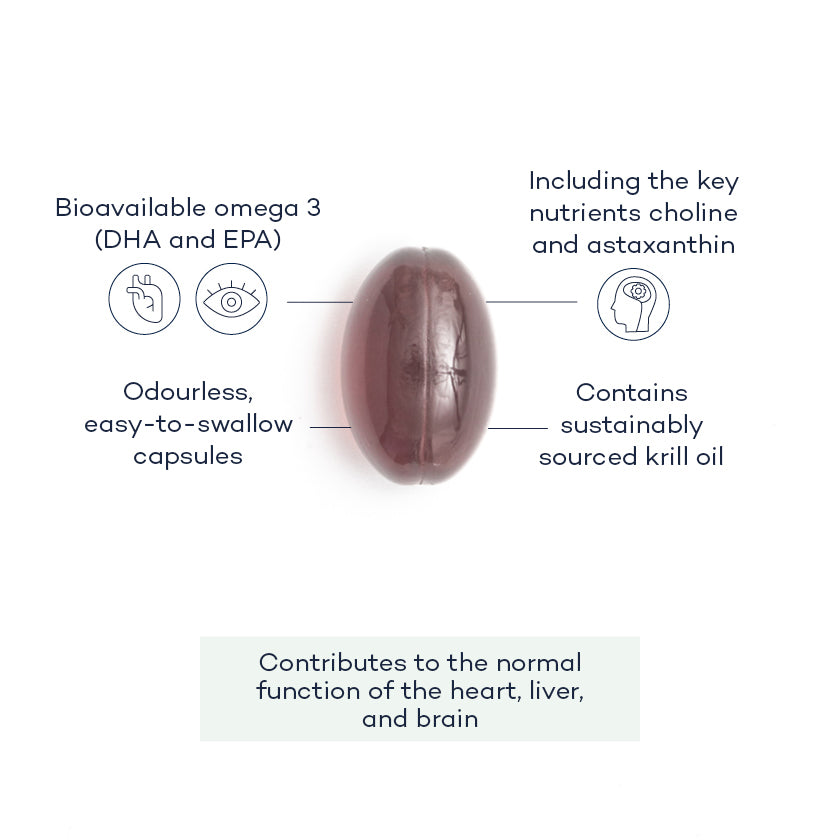
- Rich in DHA & EPA
- Supports heart, brain, liver
- No fishy aftertaste

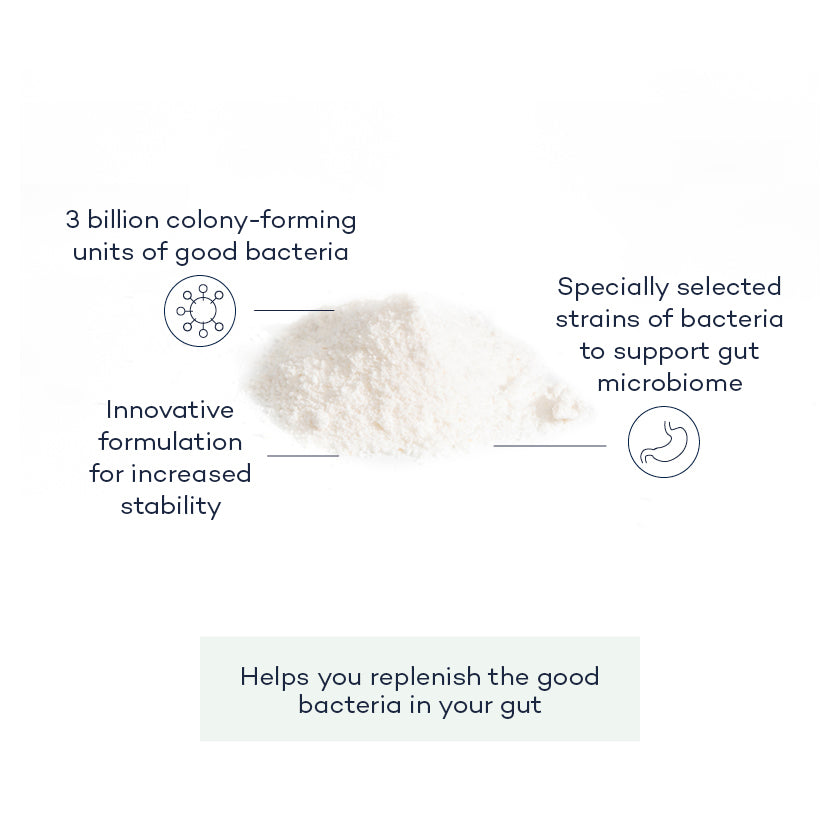
- Supports a healthy gut
- Eight friendly bacteria strains
- Advanced Probioact® technology

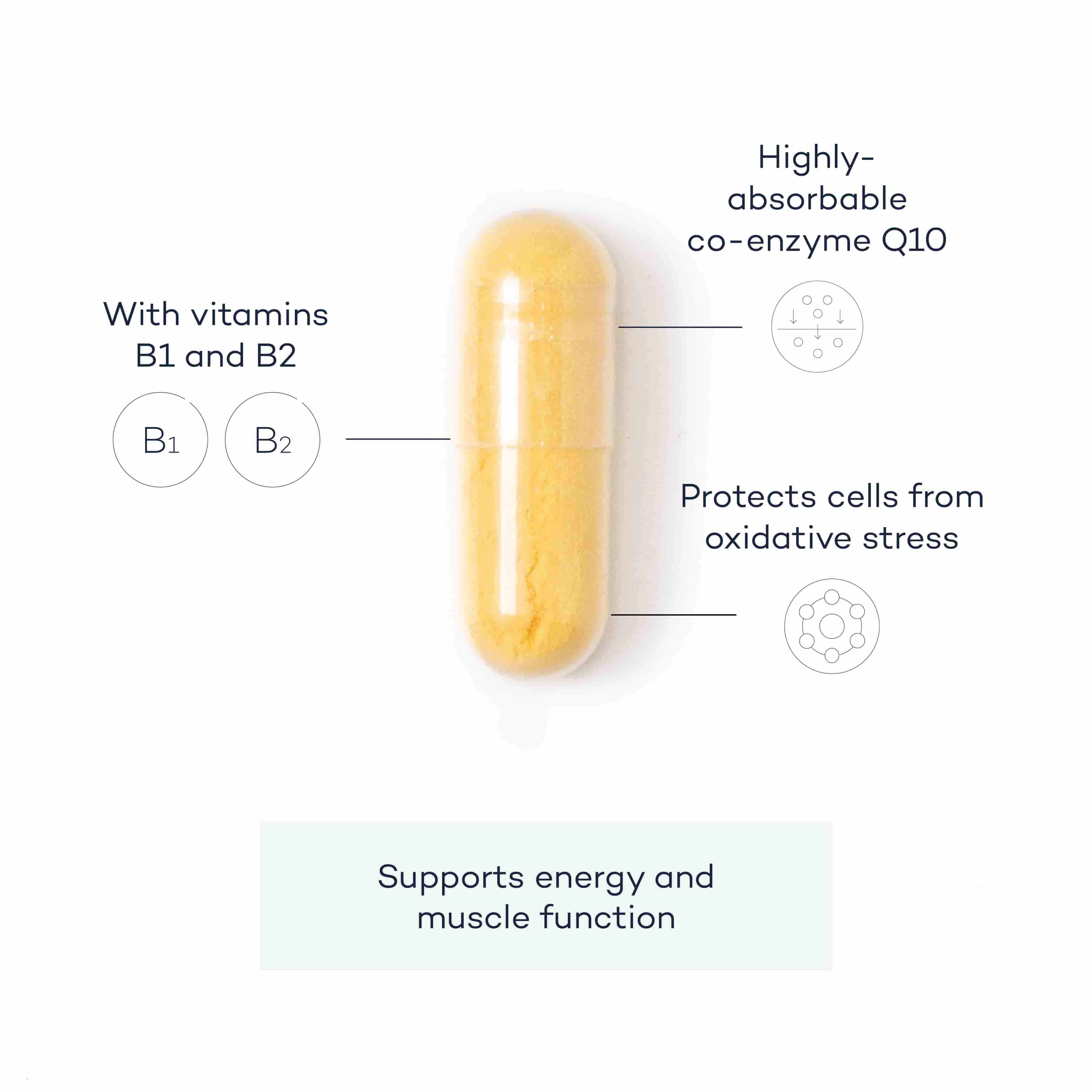
- Patented CoQ10 formulation
- Powerful natural antioxidant
- Enhanced bioavailability
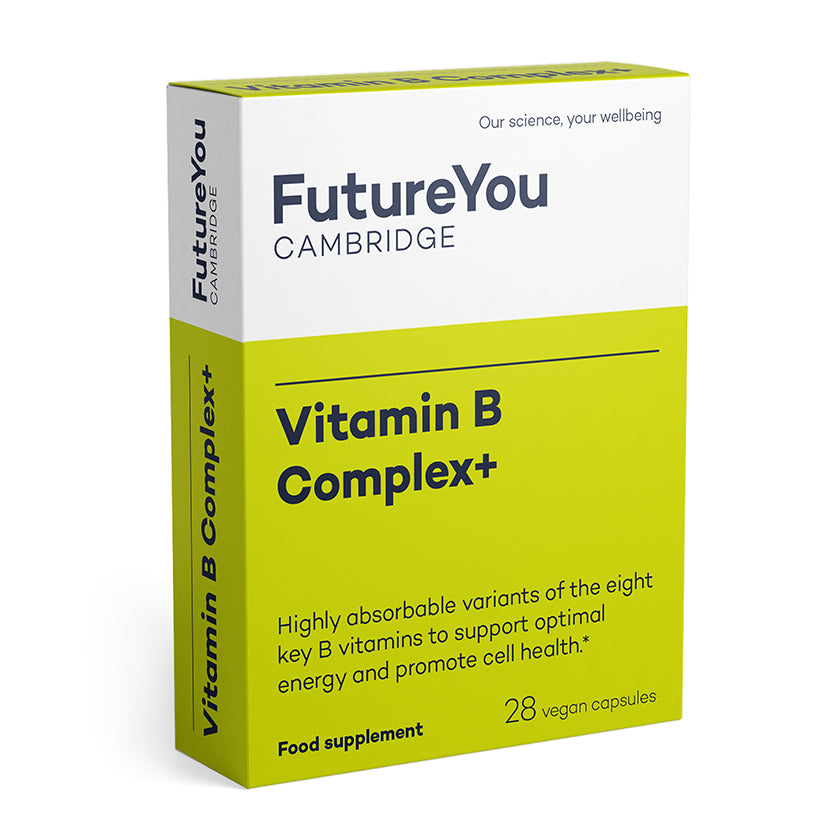
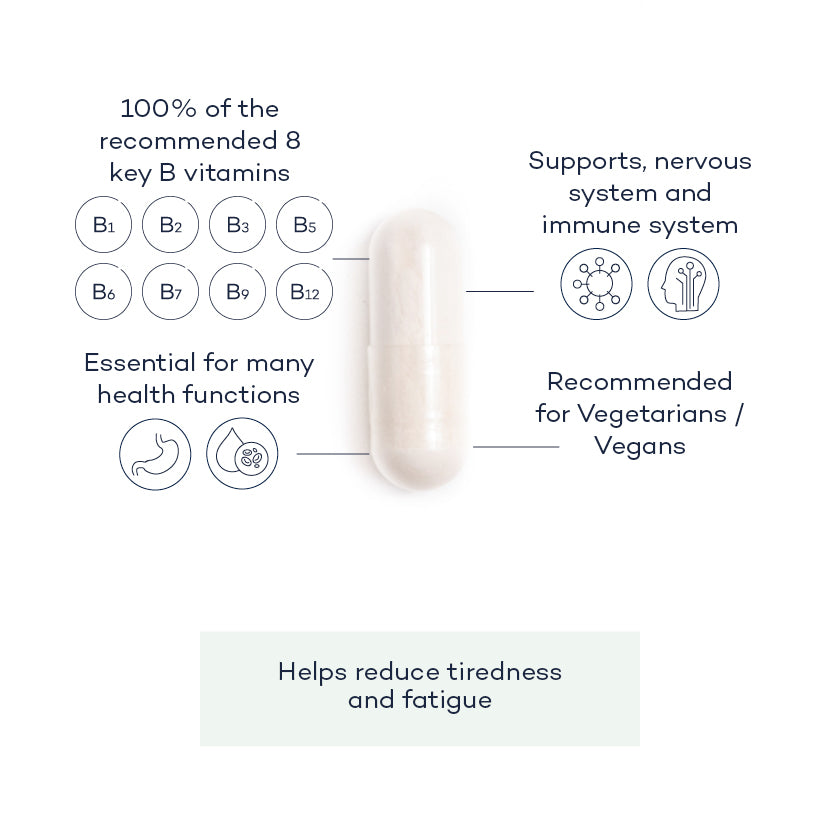
- Supports energy and immunity
- All eight B vitamins
- Vegan and easy to absorb
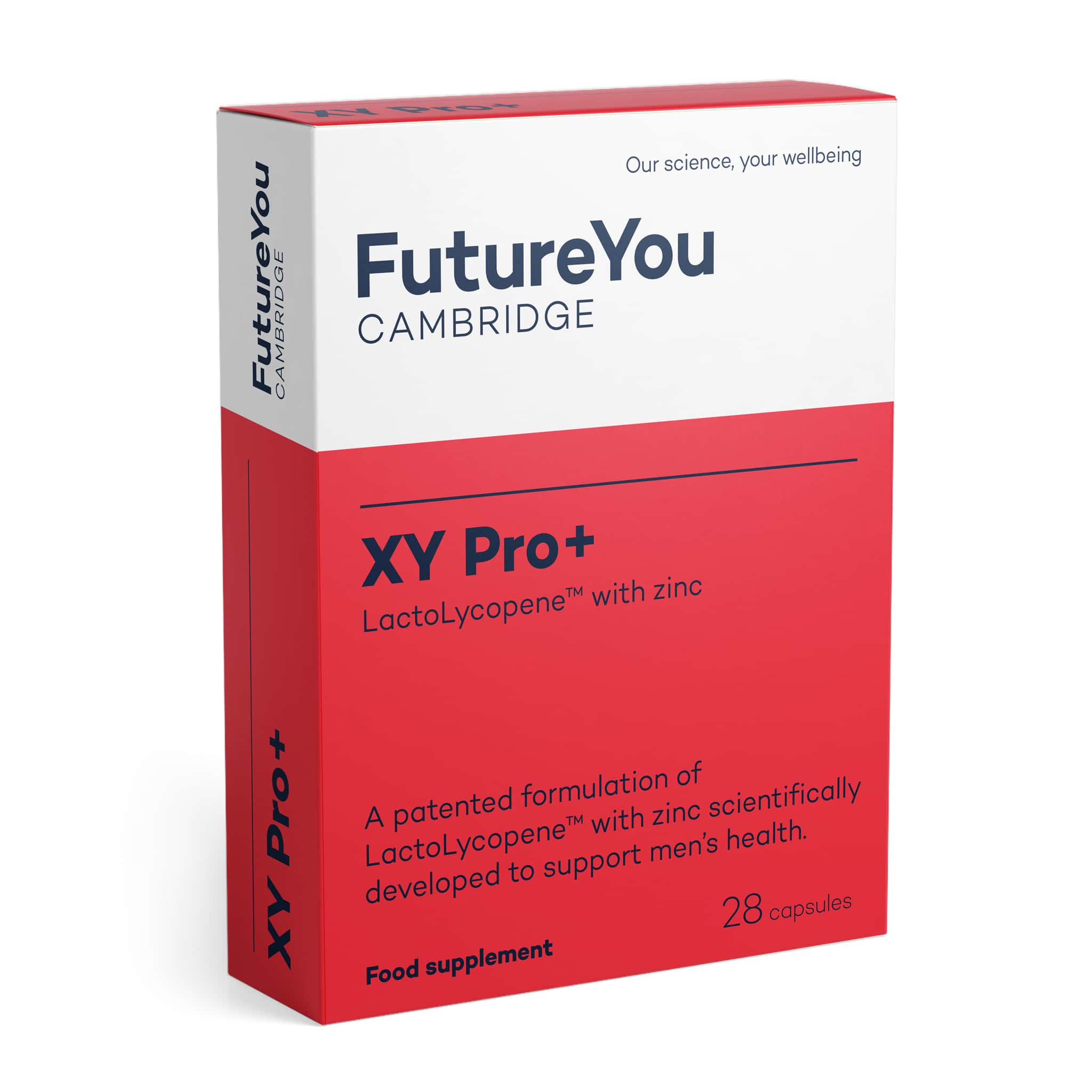
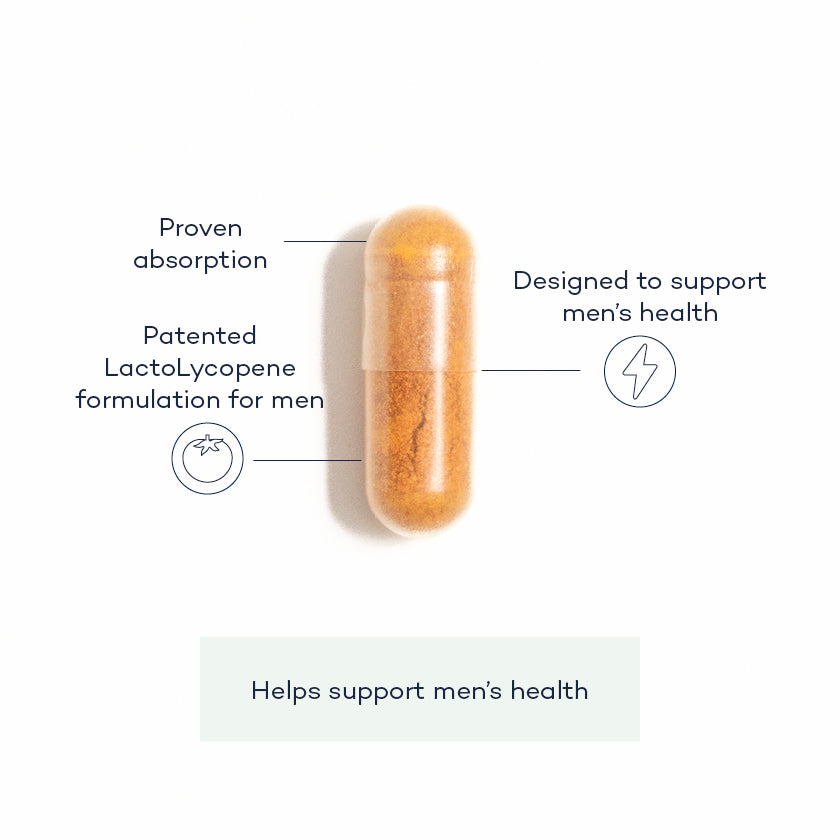
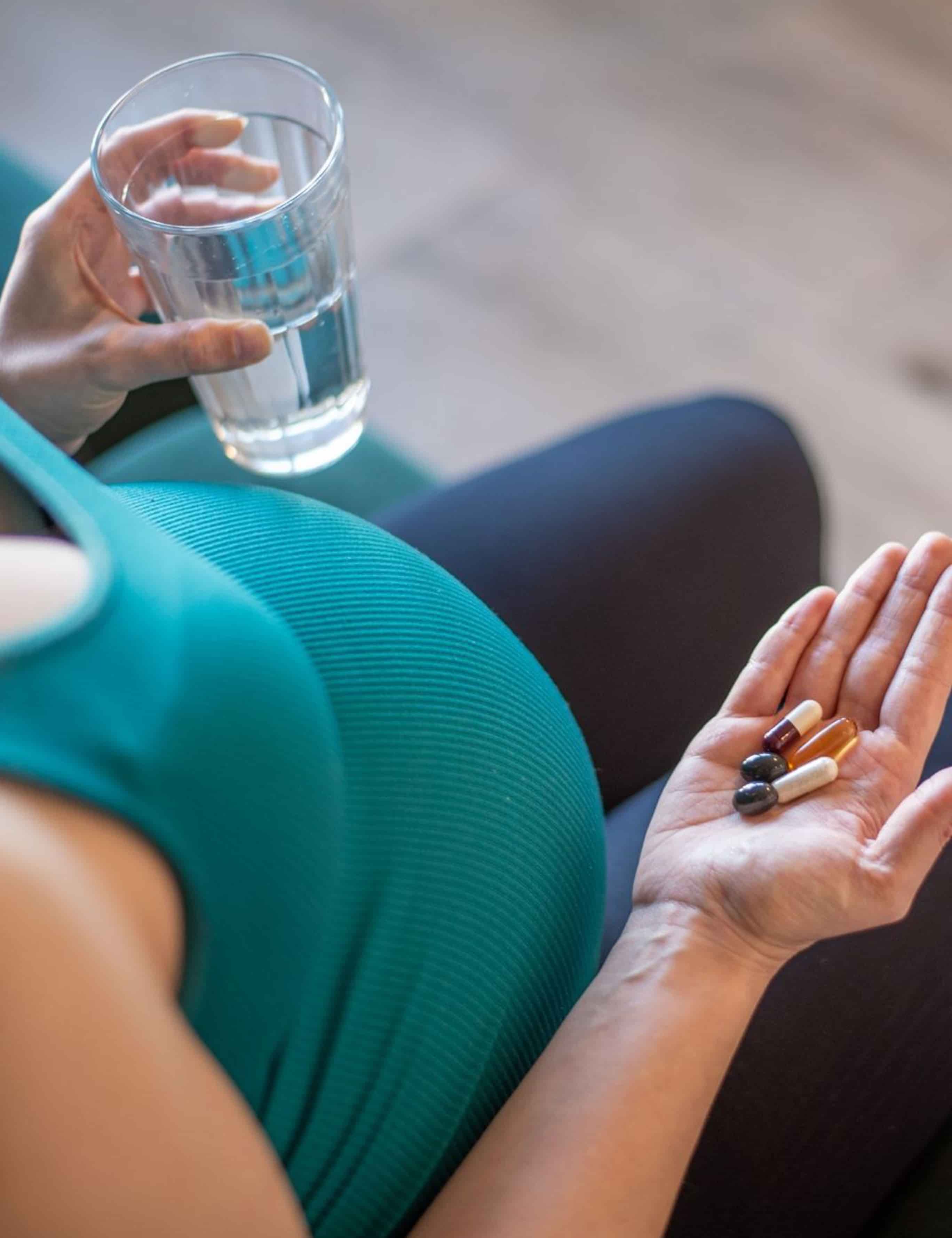
Supporting your fertility through supplements is all about taking care of your nutrition, with a wide range of vitamins, minerals, and other nutrients that can help to optimise your health when you’re trying to conceive.
No supplement can guarantee pregnancy, but a well-balanced, healthy diet does support fertility by providing a strong foundation for important nutrients involved in things like:
Hormonal balance – important for ovulation and preparing the womb
Energy metabolism – for egg and sperm quality and egg maturation
Antioxidant protection – to support DNA integrity of eggs and sperm and healthy cell division
Women's fertility supplements can never replace a healthy diet, but they can offer reliable extra support, often rich in nutrients that help your body function at its best during conception – from helping to protect eggs from oxidative stress to reducing inflammation and optimising blood flow.

During pregnancy, your body is under a lot of demand for extra nutrition, both for you and your baby. As always, making sure you’re eating a healthy and balanced daily diet is vital, but pregnancy supplements can help to keep you topped up on key vitamins and minerals.
Knowing that you’re getting enough of these can be reassuring, especially when most people in the UK are falling short of the recommended daily guidelines for some important nutrients, including:
- Vitamin D for the development of your baby's bones, teeth, kidneys, heart, and nervous system. The NHS recommends taking a daily vitamin D supplement during pregnancy.
- Omega-3 fatty acids (particularly DHA), vital in foetal development, supporting your baby's brain, eyes and nervous system.
- Folic acid (folate, a form of vitamin B9) is also vital for the baby’s healthy growth. The NHS recommends you start taking 400 micrograms of folic acid as a supplement every day as soon as you start trying for a baby.
It’s always a good idea to talk to a doctor or midwife for advice about what you should eat and avoid during pregnancy. By helping to top up your daily nutrition, pregnancy supplements can be a source of support for both you and your baby’s health and wellbeing.
Should you take supplements pre pregnancy & during?
Good nutrition matters at every stage, from planning for a baby to throughout pregnancy. Eating healthily during pregnancy will help your baby to grow and develop.
Many people consider taking supplements pre pregnancy for support, because it can take weeks to build up healthy levels of nutrients such as vitamin D, depending on your current levels. During pregnancy, pregnancy supplements can help support your body during a time of increased nutritional demand.
The NHS recommends that you start taking 400 micrograms of folic acid as a supplement every day as soon as you start trying for a baby. They also recommend a daily vitamin D supplement.
However, avoid supplements containing vitamin A (retinol) during pregnancy, as too much could harm your baby. As always, it’s important to speak with a healthcare professional before introducing new supplements during pregnancy.

Women’s fertility supplements
Fertility is a shared journey, but nutritional needs can differ between men and women.
Women’s fertility supplements and fertility pills for women are often focused on supporting overall health, hormonal balance, and nutritional status during both preconception and pregnancy.
At FutureYou Cambridge, our formulations aren’t designed as single-purpose fertility supplements. Instead, they provide targeted nutritional support that can be relevant during this stage of life:
Vitamin D+ – supports immune function, bone health, and muscle function, all of which remain important during pregnancy
Omega 3+ Advanced – provides DHA, which contributes to the normal development of the brain and eyes of the foetus
B Complex+ – delivers methylfolate, the 'ready-to-use', bioavailable form of folic acid (folate), and helps to reduce tiredness and fatigue
Co-Enzyme Q10+ – supports cellular energy production through a highly bioavailable formulation
ProBio 8+ – supports your gut health and digestive comfort throughout pregnancy with carefully selected live bacteria strains supported by prebiotics and proteins.
Together, these can be part of a broader approach to fertility and pregnancy, focused on supporting your body’s natural processes.
FAQs
What is the UK number 1 pregnancy supplement?
There isn’t a single best product. The most suitable pregnancy supplement for you will depend on your own individual needs, best chosen with guidance from a healthcare professional like a midwife or doctor.
How can I boost myself to get pregnant?
Focusing on your long-term wellbeing is key. A balanced diet, healthy lifestyle habits like exercise, and, where appropriate, supplements pre pregnancy to support healthy nutrition.
What supplements should I take during pregnancy?
Everyone's needs vary, but commonly recommended pregnancy supplements include vitamin D and omega-3 fatty acids, alongside a balanced diet. It’s always best to speak with your GP or midwife for personalised advice.
What are the best supplements for pregnancy?
There’s no single “best” supplement for pregnancy. Taking care of your overall nutrition through a healthy diet is the goal. A combination of nutrients, including vitamin D, omega-3s, and B vitamins, can help support you during this time.
What should I take during the 1st trimester?
The NHS recommends taking 400 micrograms of folic acid every day and a daily vitamin D supplement. They also warn against taking any supplements containing vitamin A (or retinol). It’s important to speak with your GP or midwife for guidance before taking any supplements during pregnancy.
What is the best fertility supplement to get pregnant?
No supplement can guarantee pregnancy. However, fertility supplements are often used to support general health and nutrition, which can be an important part of your conception journey.
What supplements are good for fertility to get pregnant?
Natural fertility supplements that provide vitamins, minerals, and antioxidants to support overall wellbeing can offer extra support alongside a healthy diet and lifestyle.
Can ashwagandha make you more fertile?
Ashwagandha is often discussed in relation to stress and wellbeing, but evidence around fertility is still developing. It’s important to seek professional advice before using herbal supplements.
What can boost female fertility?
Taking care of your overall health through healthy and balanced nutrition, regular activity, and managing stress, can play a major role. Women's fertility supplements may help support your daily nutrition where needed.
Further reading on fertility supplements
If you’d like to learn more about fertility supplements and nutrition during pregnancy, explore our expert-led articles below.
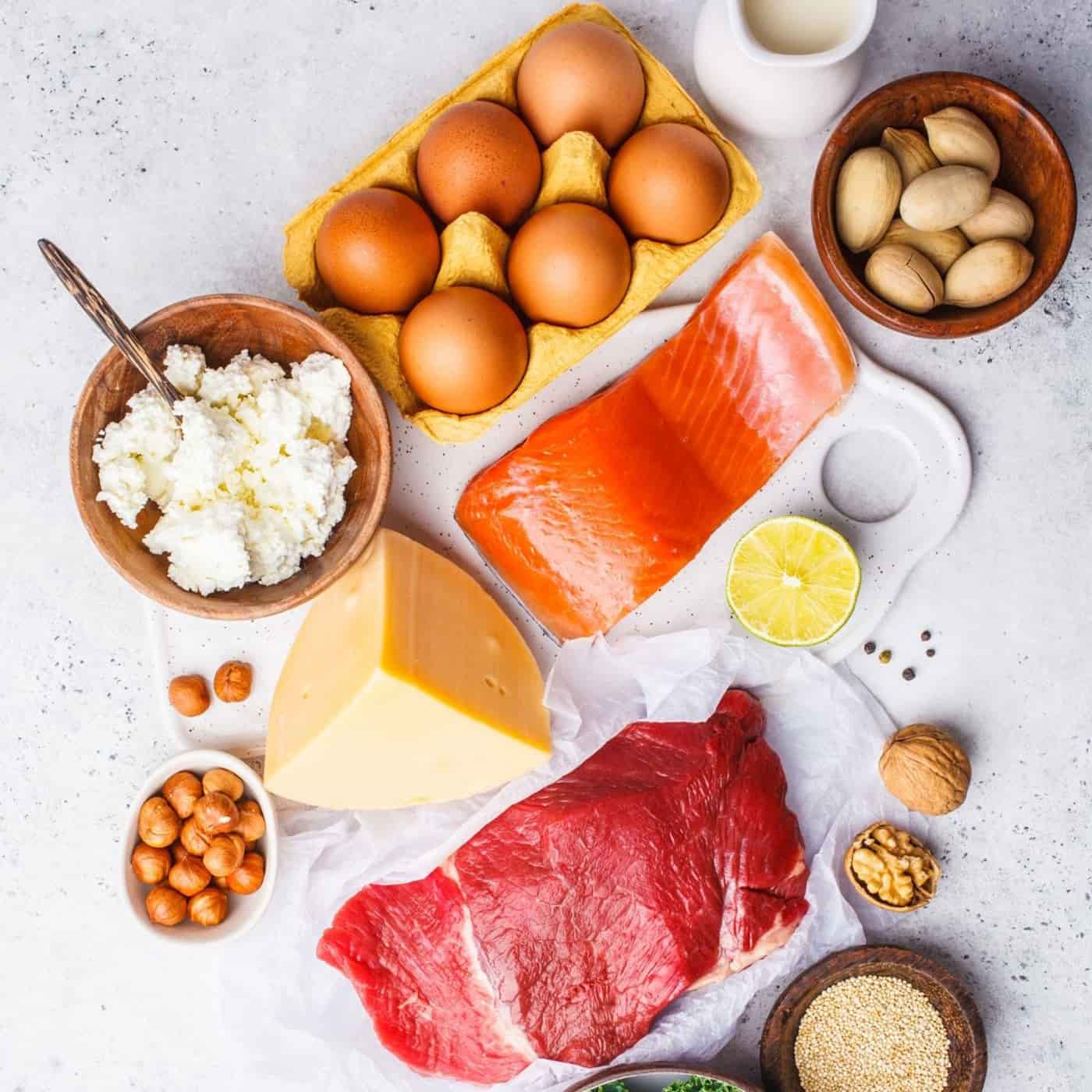
What food can’t you eat during pregnancy?
Eating well is fundamental to your health and wellbeing, and especially important when you are pregnant. However, there are some foods that the NHS states you should avoid or limit as they could be harmful to you and your baby.

LactoLycopene, lycopene & fertility
According to the NHS, issues with sperm are the major cause of fertility problems for men. Sperm are male reproductive cells that contain half of the genetic information necessary to create a new life. Following sex, a sperm will fertilise a female reproductive cell (ovum) which will then develop into a foetus.

Fertility survey results: 'Men are being overlooked'
The Fertility 5050 survey takes an in depth look at attitudes to fertility and conception in the UK. The 50-question survey received 2,052 responses, revealing the knowledge and beliefs that men and women hold about fertility and the conception process.